My approach to Ace GIAC exams
- Choose a SANS course that really interests you, I can only learn for stuff that I find interesting.
- Attend the course and write minimal notes when the instructor summarises a page or explains the implications.
- Re-read the book, highlight key words / phrases, stuff that you want to see when searching for it at exam date.
- Also during the re-read, create your index with key words, about one key word per 3 pages for me.
- Take a practice exam, if you are content with the result (min. 80%), you are done learning.
Example 1 - NTLM Login Flow
Highlight important words like "nonce", "challenge", "signed", etc. and create the index entry.
Also, maybe the instructor mentioned Responder / Coerced Auth at this page and you created a small note. This might help too.
| Topic |
Keyword |
Page |
| Lateral Movement |
NTLM Login Flow |
3-42 |
Example 1
Example 2 - Skeleton Key Attack
Highlight important words like "misc::skeleton", "must be done on all DCs", "one pw for all accounts"
| Topic |
Keyword |
Page |
| Lateral Movement |
NTLM Login Flow |
3-42 |
| Persistence |
Skeleton Key Attack |
4-99 |
Example 2
Create the actual printed Index
Assuming we have a finished pre-index like this:
| Topic |
Keyword |
Page |
| Lateral Movement |
NTLM Login Flow |
3-42 |
| Lateral Movement |
Coerced Auth Responder |
3-44 |
| Persistence |
LSASS Dump |
4-87 |
| Persistence |
LSA Protection |
4-95 |
| Persistence |
Skeleton Key Attack |
4-99 |
Finished Pre-Index after reading all books
Then I create one index to sorted by topic, then keyword, and one index sorted by keyword only, like this:
Topic Sorted
| Lateral Movement |
Page |
| Coerced Auth Responder |
3-44 |
| NTLM Login Flow |
3-42 |
Index for topic Lateral Movement
| Persistence |
Page |
| LSA Protection |
4-95 |
| LSASS Dump |
4-87 |
| Skeleton Key Attack |
4-99 |
Index for topic Persistence
Keyword Sorted
| Keyword |
Page |
| Coerced Auth Responder |
3-44 |
| LSA Protection |
4-95 |
| LSASS Dump |
4-87 |
| NTLM Login Flow |
3-42 |
| Skeleton Key Attack |
4-99 |
Index over all keywords - sorted only by Keyword
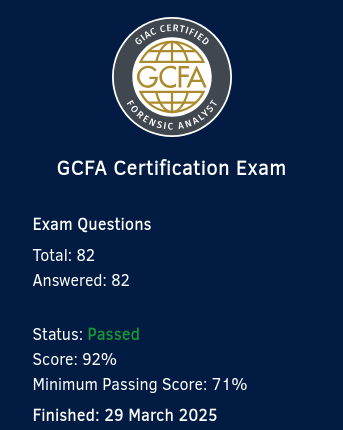
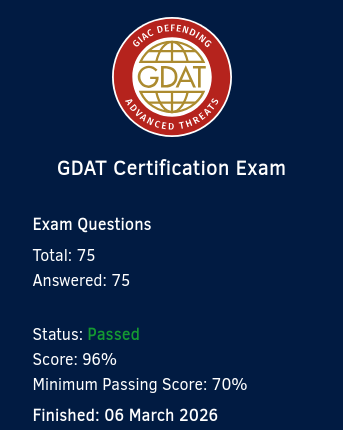
Results